Are you aware that outdated billing procedures affect your orthotics and prosthetics practice? As we are in 2026, staying current with evolving billing regulations, payer requirements, and technology-driven processes is no longer optional. As reimbursement models become more complex and compliance standards tighten, O&P provides must adapt to protect revenue and reduce denials.
In this blog, MHRCM explores the most important orthotics and prosthetics billing trends shaping 2026 and explains how specialized O&P billing services can help your practice improve cash flow, maintain compliance, and stay competitive in today’s healthcare landscape.
Orthotics and prosthetics billing is becoming more complex in 2026, with stricter payer requirements and evolving reimbursement policies. To stay profitable and compliant, O and P practices must adapt to the latest billing trends and coding updates.
In this article, we highlight the key changes shaping the industry and how the right billing strategy can protect your revenue and support long-term growth.
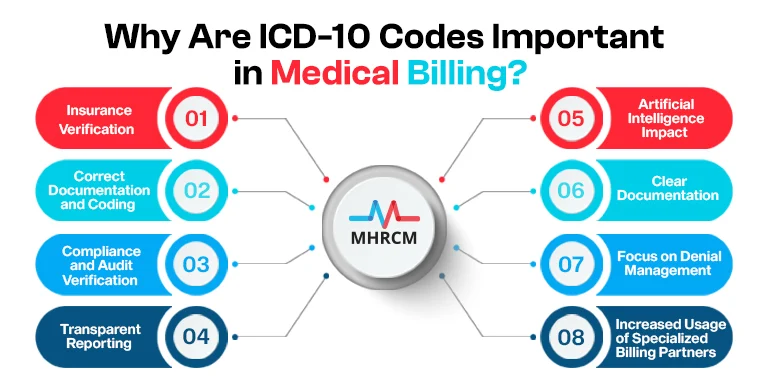
The headache of having claims rejected after equipment has been provided can be avoided by confirming patient eligibility up front. This stage is crucial because the expenses can reach thousands.
Correct Documentation and Coding
Compliance and Audit Verification
Orthotics and prosthetics billing trends are always being examined for ready audits. Compliance of readiness is essential for any type or solution or procedure. Here it is ultimately based on codes that align with healthcare and governing regulations. Even a single incorrect file can also result in a refund.
Clear reporting on denial rates, payer trends, and typical reimbursement times, help practices make timely adjustments and avoid the possibilities of such relevant issues in future.
Artificial Intelligence Impact
Thorough paperwork with all detailed to be included and pre-authorization are necessary to prevent denials.
Focus on Denial Management
Proactive rejection management and appeal tactics are crucial for revenue preservation because of complicated payer regulations and, in certain situations, limited insurance coverage for high-end devices.
Increased Usage of Specialized Billing Partners
To prevent revenue loss, practices are outsourcing to specialized billing firms that are knowledgeable with latest billing trends including certain L-codes, modifiers, and more.
The prominent orthotics and prosthetics billing trends facilitate smooth management of every step from claim creation to reimbursement. The claim scrubbing process ensures accuracy before submission, significantly reducing denials. Here are some of the primary aspects listed.
Revenue Cycle Management (RCM) services mean practices doesn’t mean only submitting claims. Also, it includes verification, monitoring, analyzing, and optimization. Regular feedback and performance management keep revenue flowing steadily.
Practice Management Support
If your clinic is struggling with internal issues, you need a temporary or ongoing billing staff to handle compliance and documentation audits. This ensures procedures do not delay or get affected.
Audit and Compliance Expertise
Billing services help clinics prepare for and respond to RAC audits. They ensure documentation supports medical necessity, protecting clinics from penalties.
Transparent Reporting and Communication
With the best orthotic and prosthetics billing trends, clients can get reports on a monthly and quarterly and weekly basis. Regular communication ensures clinics feel secure and equipped with meaningful insights.
We offer thoughtfully designed products that bring together precision, durability, and smart technology. Our goal is to simplify processes while enhancing overall performance and results
Significance of Advanced Digital Tools
Technology is becoming essential to accuracy and efficiency. Digital systems help healthcare providers the ability to oversee that helps to reduce avoidable mistakes:
Growing Interest in Technology Driven Data
According to the modern market trend, microprocessors and custom scanned devices are examples of advanced devices that require updated coding knowledge.
Change in Models of Reimbursement
With the rise of advanced technologies, the demand for customized devices and cost-effective devices has increased. Also, two-thirds of lower limb amputations are now caused by complications from diabetes. By 2030, the growing need for lower-extremity devices is expected to continue to grow.
Inequitable Reimbursement
According to the most recent survey, Americans who have lost limbs have gotten prostheses, primarily as a result of prior-authorization obstacles and coverage restrictions. Cutting-edge prosthetics, such as the Genium X4 microprocessor knee, are expensive investments that can eventually be compensated for the enhanced functional results and advanced technology.
Developments in Myoelectric and Microprocessor Technology
Market trends are shifting toward innovative systems, smarter coding practices, and efficient care delivery models.
Emphasis on Value-Based Care
In order to lower overall healthcare costs, payers are requesting additional documentation for better patient outcomes.
Advanced Product Adoption
The market is quickly moving toward microprocessor-controlled systems, which demand current coding.
AI-driven design advancements and 3D printing are facilitating better, longer-lasting functional results.
Understanding the connection between a patient’s mobility and their clinical outcomes is essential to ensure the best experience with advanced devices. Partnering with the right orthotics and prosthetics billing expert helps streamline revenue, reduce denials, and allow more focus on patient care.